

You see the hand
The table, the cards and the chips, as in a real game.
The course
The best way to learn poker is to play hands and have every decision explained, in order: how a hand runs and what beats what, then the flop and the price of a call, then betting and reading your opponents. This online poker course does exactly that, in 104 lessons of six to nine minutes, right in your browser.
No money and no sign-up to start. The first lessons are free; the whole course opens with the pass.
How you learn
The table, the cards and the chips, as in a real game.
Check, call, raise or fold when it's your turn, and take all the time you need.
If you're right, why it was a good idea. If not, what you missed. No penalties.
A few minutes a day with what you are about to forget. What you miss comes back tomorrow; what you know, later on.
The syllabus
Eighteen paths in five stages, from the cards to a real table. They go in order: each path builds on the one before and ends with a practice round and an exam.
Stage 1 · paths 1 to 3
How a hand runs, what beats what and a game at home. Enough to sit down at any table and follow every hand on your own.
On this site:
Poker rules Check, bet, call, raise, fold Poker hand rankings Hosting a poker night Flop, turn and river Small blind and big blind
Path 1 · 7 lessons · 52 min
Cards, betting and order of play
Play a heads-up hand without getting lost in the order of things.
Path 2 · 9 lessons · 62 min
Combinations with shared cards
Look at the whole table, not just your starting cards.
Path 3 · 6 lessons · 44 min
Three or four, no dealer
Set up, deal and run a hand of three or four without anyone telling you whose turn it is.
Stage 2 · paths 4 to 6
Which hands to play, what the flop tells you and whether a call is worth its price.
On this site:
Path 4 · 6 lessons · 40 min
Entering with a raise, sizing and the map of hands
Know which hands to enter with, and how.
Path 5 · 6 lessons · 39 min
Your hand, the flop, draws and position
Feel what the center of the board tells you before deciding.
Path 6 · 5 lessons · 38 min
Price, live cards and the call
Decide whether to call by comparing its cost with how often you win.
Stage 3 · paths 7 to 10
Why you bet and how much, how an all-in with different stack sizes is settled, and what a six- or nine-handed table is like.
On this site:
Path 7 · 6 lessons · 43 min
Get paid, make them fold or check: every chip with a reason
Bet only when worse hands call or a better one folds.
Path 8 · 5 lessons · 30 min
Big blinds, pot fractions and raise sizing
Know how much to put in, and why.
Path 9 · 6 lessons · 45 min
Different stacks, layered pots
Know what action follows, which chips come back and who can win each pot when someone goes all-in.
Path 10 · 6 lessons · 41 min
Six or nine, with a dealer
Take a seat in a card room and complete a hand without breaking the turn or the customs of the table.
Stage 4 · paths 11 to 14
Putting your opponent on a range, a plan for the turn and the river, judging a decision by what you knew, and adjusting to whoever you're up against.
On this site:
Path 11 · 5 lessons · 34 min
Cross out, set aside and count their possible hands
Decide against everything the rival may hold, not against two cards.
Path 12 · 6 lessons · 42 min
Plans for the turn and the river
Plan the next street before it arrives.
Path 13 · 5 lessons · 37 min
Decision and result, streaks and the counted bluff
Judge a decision by what you knew and bluff only when the count says so.
Path 14 · 6 lessons · 46 min
Opportunities, labels and small adjustments
Tag your rival and adapt your game.
Stage 5 · paths 15 to 18
Flops that miss everyone, re-raises, two opponents at once, and a game of your own, measured against your hand log.
On this site:
Path 15 · 5 lessons · 35 min
Bluff, check on purpose or fold on a flop that misses
Take the pot when the flop misses everyone, and know when to check on purpose and when to fold.
Path 16 · 5 lessons · 35 min
Fold, call or raise again
Answer a re-raise by the count: fold, call or raise again by what you are missing, what is in the pot and what he re-raises with.
Path 17 · 5 lessons · 36 min
Bluff, value and calls against two
Decide against two rivals without merging their lists: count cases, see who changes the plan and recompute the price.
Path 18 · 5 lessons · 33 min
A rule of your own, measured with your log
Leave the course with a concrete playing rule, measured with your own log and reviewed with what it shows, without looking at the chips.
The practice table
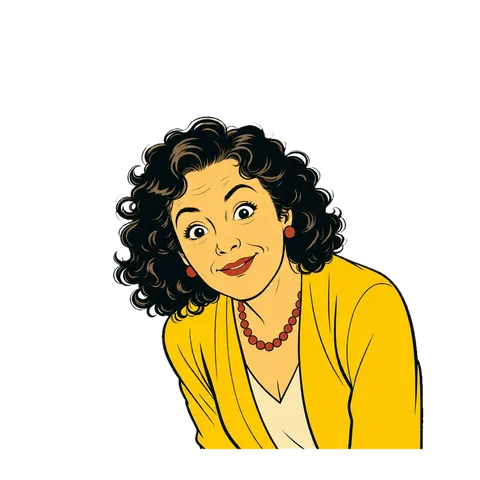
Walter plays few hands and hardly ever bluffs; Roxie keeps the pressure on. The house regulars sit in on the game, each with a style of their own. Nobody corrects you while you play: the table watches, and at the end it tells you which habit is costing you chips.
 Walter
 Roxie
 Victor
 Dottie
 Frankie
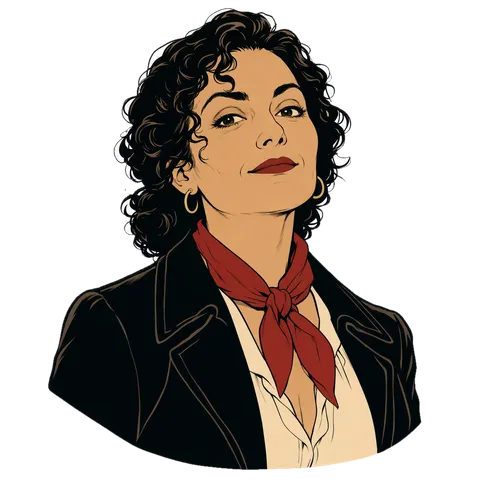 Gale
 Desmond
 Rufus
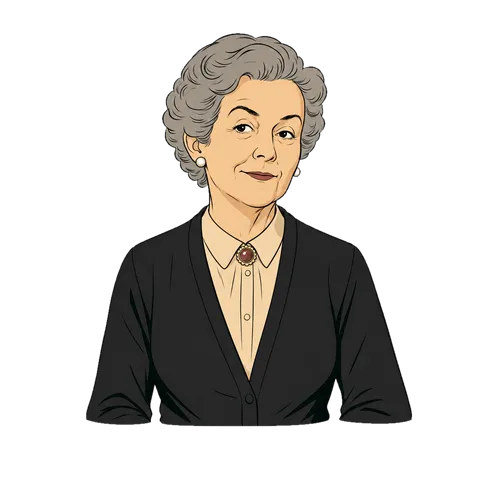 Mabel
Practice chips: they can't be bought or exchanged for anything.
What it costs
You start without an account and without paying anything. If you like it, the pass opens the rest of the course, the full practice, the exams and the tables. It's the only thing for sale: nothing inside the course can be bought, no chips and no shortcuts.
Free, no account
To try the course and see whether it's for you, without even giving your email.
With the pass
The whole course, the full practice, the exams and the tables against the house regulars.
You pay in US dollars, $8.99 a month or $65 for good, or in euros in Europe, €7.99 or €59, taxes included. The pass page shows the price for where you are; if your card is in another currency, your bank does the conversion and may add a fee or the tax your country charges on foreign-currency payments.
Play hands and have each decision explained, in order: the rules and the hand rankings first, then the flop and the price of a call, then betting with a purpose and reading your opponents. Reading the rules teaches you to follow a hand, not to make decisions in one.
The rules take an evening. Following a hand on your own takes the first three paths of this course, about 3 hours of lessons. The whole course, from the cards to a game of your own, is about 12 hours, in lessons of six to nine minutes.
To start, yes: the first lessons of this course play in your browser with no account and no money. The rest opens with the pass, which costs $8.99 a month or $65 for good. The reference pages on this site, such as the rules, the hand rankings and the positions, are free to read.
The rules aren't: two cards each, five on the board and ten hands in order. What takes practice is deciding well without seeing anyone else's cards, and you learn that like any skill: one decision after another.
No. Chips worth nothing measure a decision just as well, and without money you can get it wrong as many times as it takes. There's no real money in Pokeo: its chips can't be bought or exchanged for anything.
Pokeo works that way: short lessons in order, each one a hand you play, with the explanation on the spot and an exam at the end of every path. It runs in your browser, on a phone or a computer.
Start here
The first lesson starts with the very basics: what each card tells you. No sign-up.
First lesson · 6 min The cards Every card has two facts: rank and suit. You'll learn to read both, and which one says which card is worth more. Play nowNo sign-up · No money · In your browser